Feed the soil
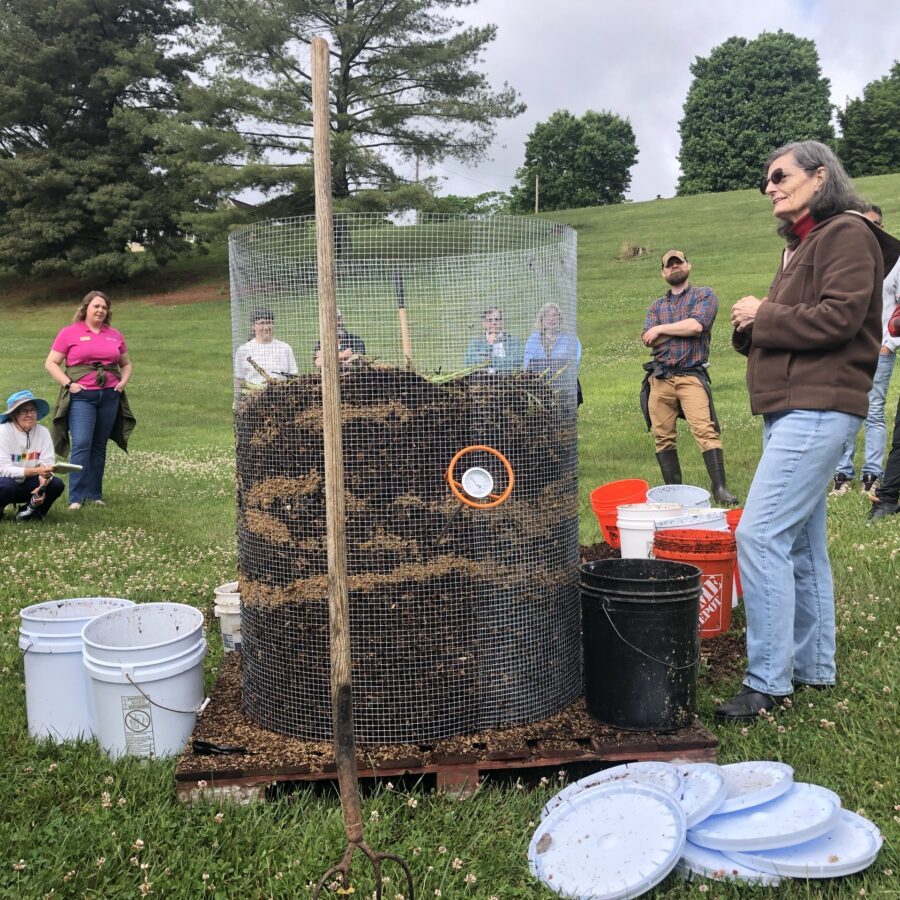
Compost, carbon materials and on-farm fertility, from growers who work without bought-in inputs.
The Resource Hub
Organic Growing Resources
Soil first, season after season.
Supported by
Where to start
Compost, carbon materials and on-farm fertility, from growers who work without bought-in inputs.
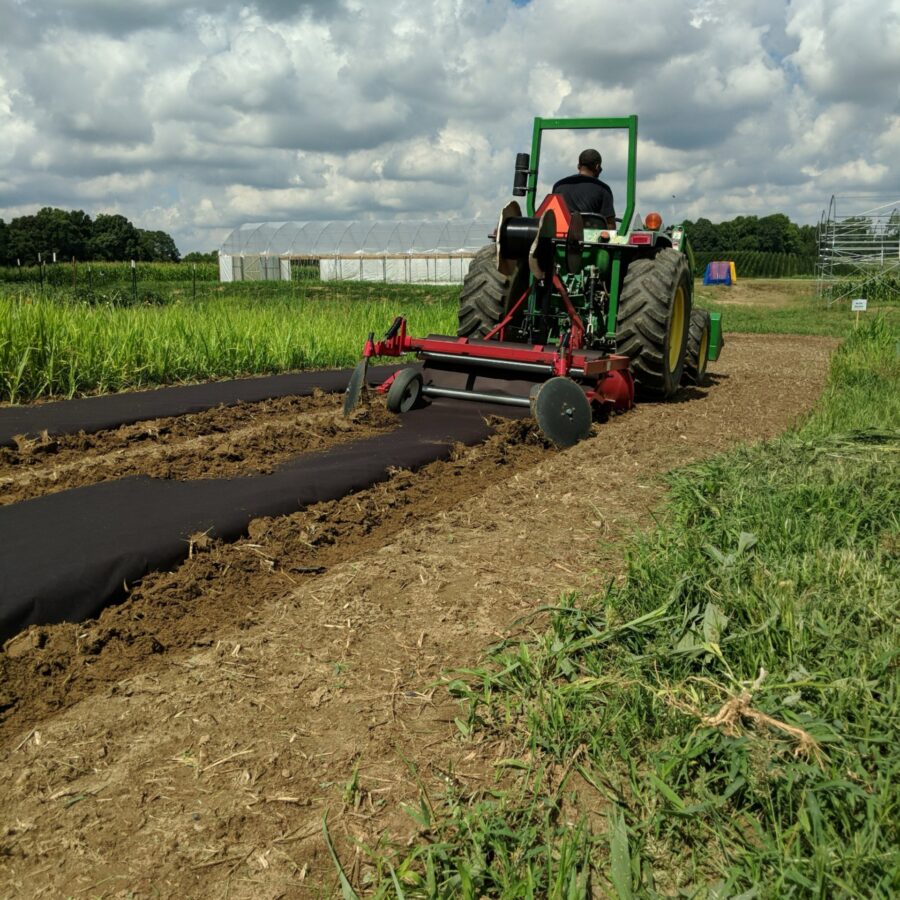
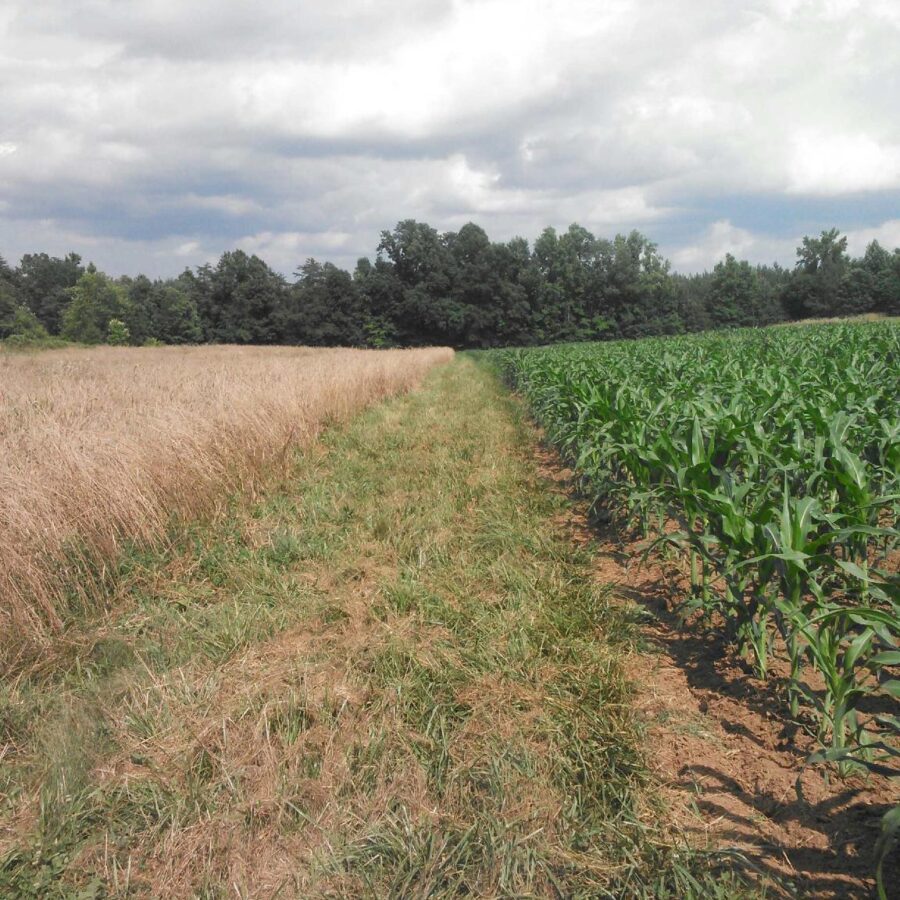
Choosing and timing a cover crop for a Virginia season, and what it does to the ground underneath.
About this collection
Organic growing is a practice, not a category, so the resources here overlap with soil health, livestock, and other topics.
Farm Bill
Elizabeth Henderson’s opinion editorial As a farmer who grew vegetables for over 30 years in Wayne County, NY, I am keenly aware that most of
Crop Production
By Brent Wills Those of you who know me know I’m a stickler when it comes to soil health and what that really means. There are
Crop Production
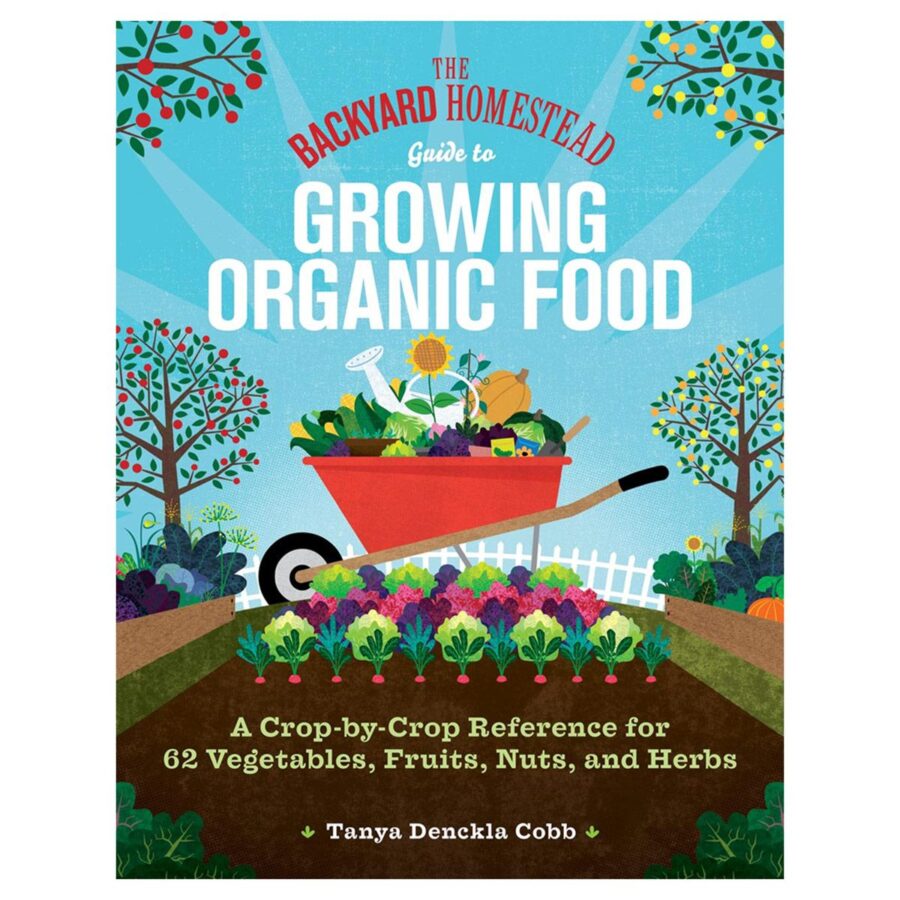
Book Review The Backyard Homestead Guide to Growing Organic Food: A Crop-by-Crop Reference for 62 Vegetables, Fruits, Nuts and Herbs, Tanya Denckla-Cobb 2024, 318 pages, 7″
Organics
This little book is not a how-to-farm book, but a very readable memoir-plus-life-philosophy of two activists who also raised a family and farmed organically, built their
Cover Crops
Book Review by Pam Dawling The Ecological Farm: A Minimalist No-Till, No-Spray, Selective Weeding, Grow-Your-Own-Fertilizer System of Organic Agriculture, Helen Atthowe, Chelsea Green Publishing, 2023. 368
Farm Bill
The Opportunities in Organic Act would help U.S. farms meet consumer demand by reducing barriers to organic agriculture July 12, 2023 Allison Johnson Senior Attorney, Health &
Certification & Transitioning
How to Transition Your Farm, Ranch or Business to Organic Resources for anyone interested in becoming USDA certified organic What is organic? Who is eligible for
Assistance - Technical & Financial
The Transition to Organic Partnership Program funds regional networks that pair transitioning organic farmers with paid mentors for at least a year after certification. Includes a