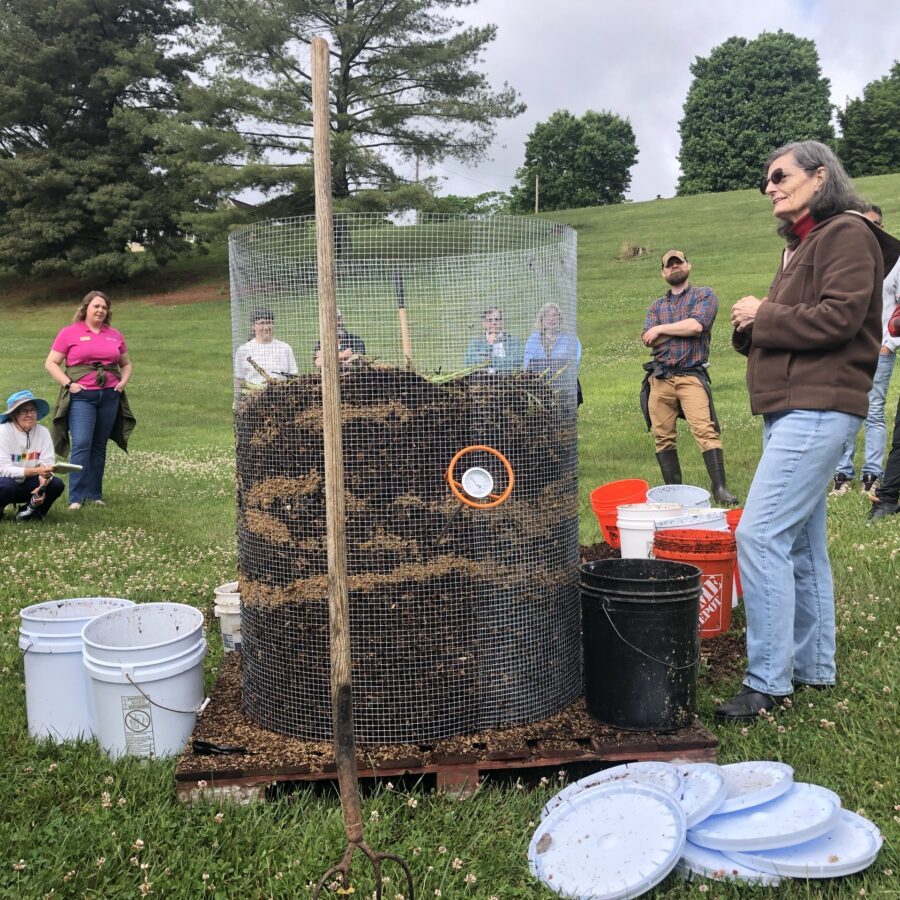
Feed the soil
Compost, carbon materials and on-farm fertility, from growers who work without bought-in inputs.
The Resource Hub
Organic Growing Resources
Soil first, season after season.
Supported by
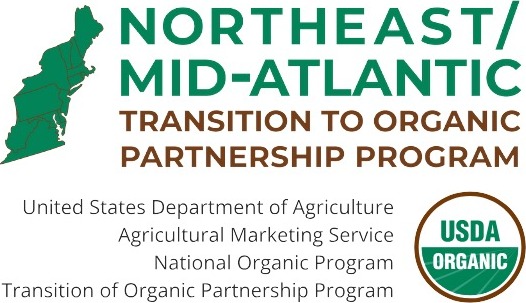
Where to start
Compost, carbon materials and on-farm fertility, from growers who work without bought-in inputs.
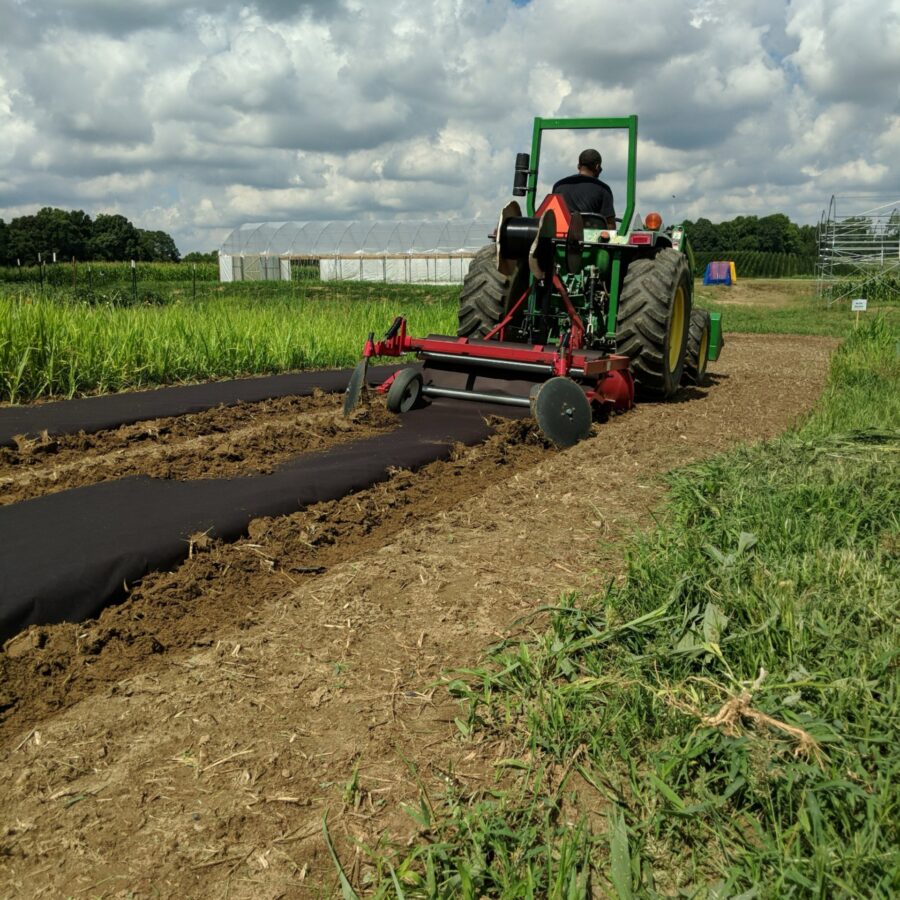
Choosing and timing a cover crop for a Virginia season, and what it does to the ground underneath.
About this collection
Organic growing is a practice, not a category, so the resources here overlap with soil health, livestock, and other topics.
Cover Crops
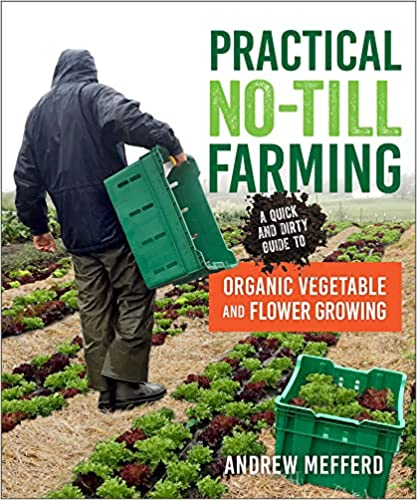
Book Review Practical No-Till Farming: A Quick and Dirty Guide to Organic Vegetable and Flower Growing by Andrew Mefferd, New Society Publishers, November 2022, 240 pages,
Certification & Transitioning
Crop Production
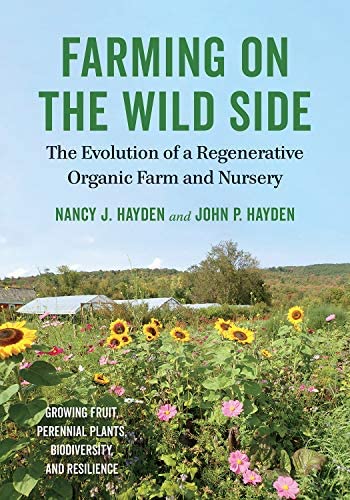
Book Review Farming on the Wild Side, The Evolution of a Regenerative Organic Farm and Nursery, Nancy and John Hayden, Chelsea Green, 2019. 258 pages, $29.95.
Organics
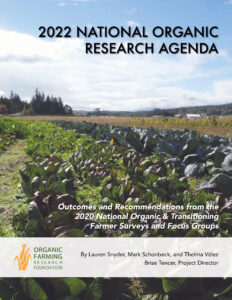
The Organic Farming Research Foundation presents the 2022 National Organic Research Agenda (NORA), a report informed by surveys and focus groups conducted in 2020 with over
Crop Production
The Berry Grower: Small Scale Organic Fruit Production in the 21st Century, Blake Cothron, New Society Publishers, paperback, 300 pages, May 2022, black and white and
Crop Production
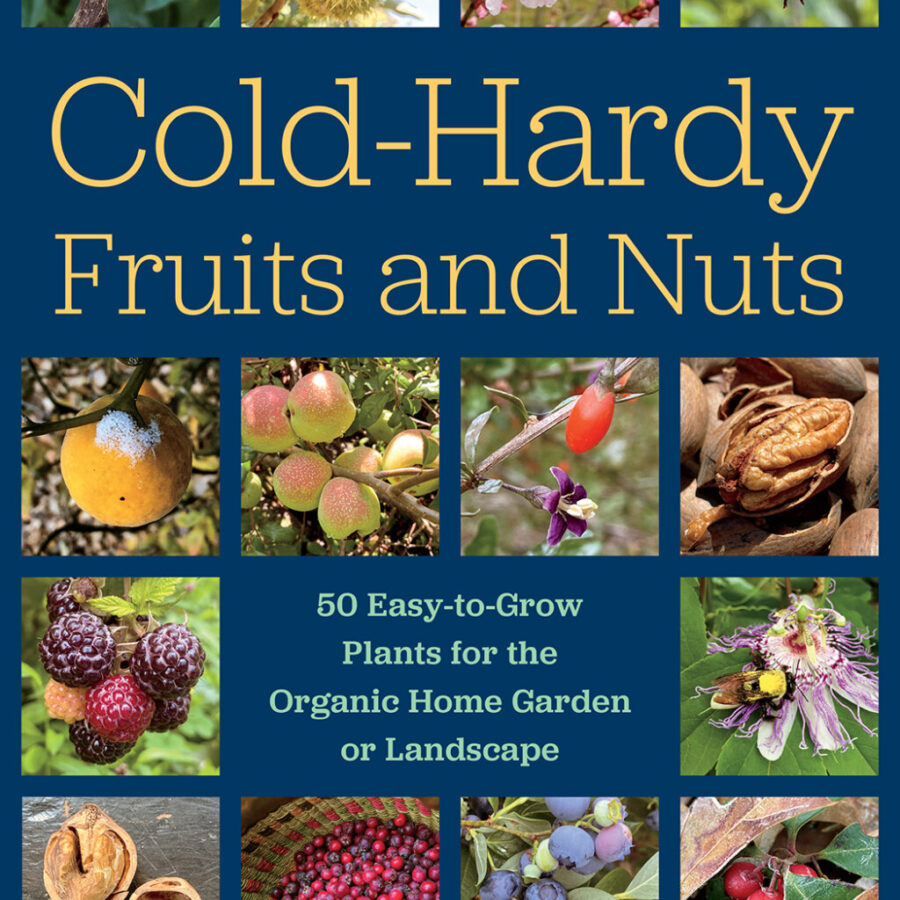
Book Review: Cold-Hardy Fruits and Nuts: 50 Easy-to-Grow Plants for the Organic Home Garden or Landscape, by Allyson Levy and Scott Serrano. Chelsea Green, March 2022,
Crop Production
State of Organic Seed (SOS) is an ongoing project to monitor organic seed systems in the U.S. Every five years, Organic Seed Alliance (OSA) releases this progress
Organics
2022 National Organic Research Agenda The Organic Farming Research Foundation presents the 2022 National Organic Research Agenda (NORA), a report informed by surveys and focus groups conducted in
Cover Crops